How to Feng Shui Your Apartment for Better Study Energy
Share this Article:
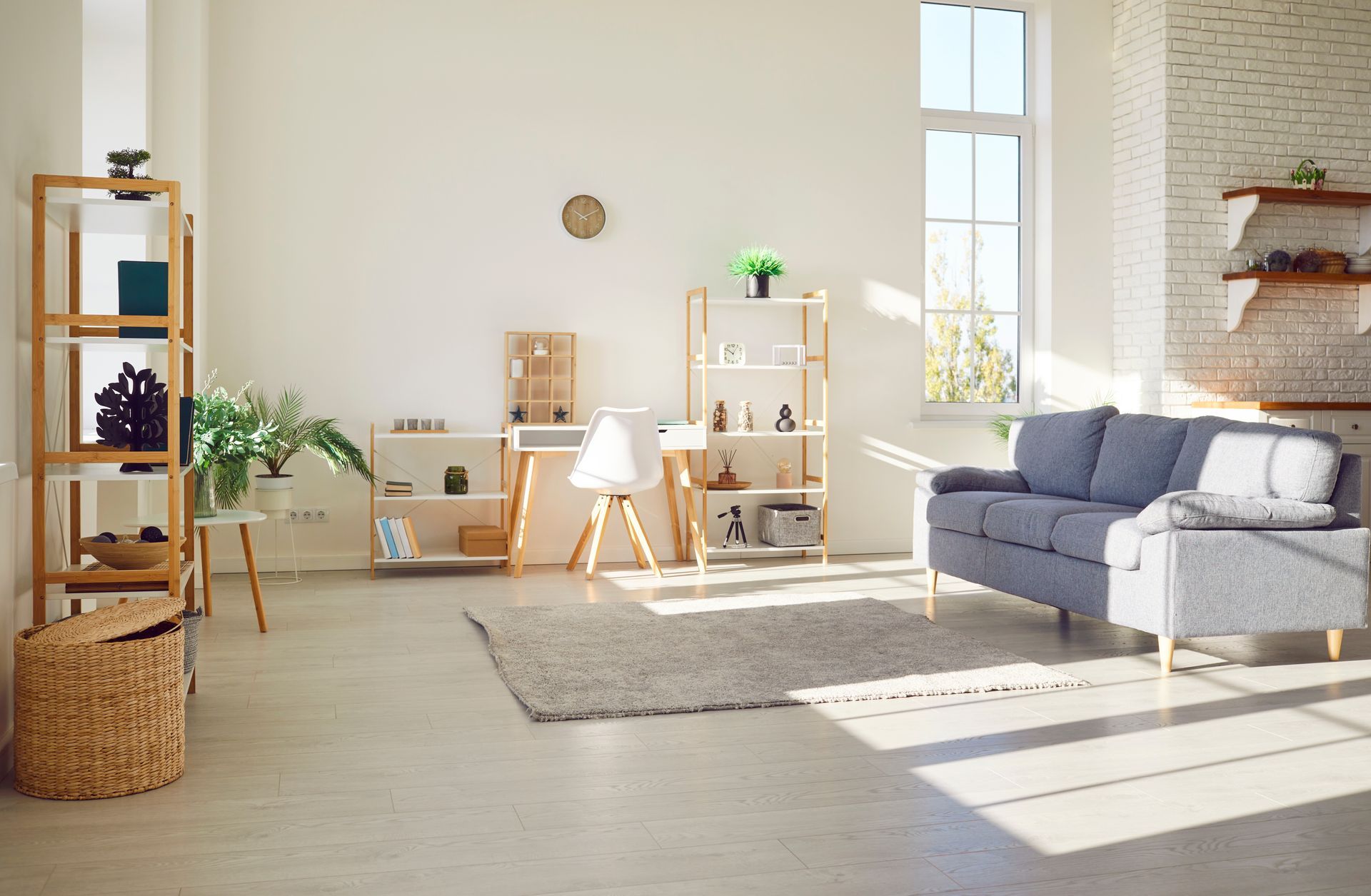
Apartments near campus often reflect a mix of uses. A desk doubles as a dining table, books stack beside everyday clutter, and the feel of the room shifts with each day. During busy academic stretches, that kind of setup can start to feel unsettled. Small changes in layout and organization can reshape how a space feels and functions. Feng shui offers a way to bring more consistency to that experience, creating a place that feels steady and easier to work in.

Key Takeaways
- Feng shui can make a student apartment feel calmer and more study-friendly by improving furniture placement, organization, lighting, and flow.
- Keeping your apartment clean and clutter-free can reduce visual distractions and create a more focused study environment.
- For better desk placement, choose a spot with a clear view of the room and keep the surrounding area open and organized.
- Natural light, warm evening lighting, and soft or neutral colors can help create a comfortable space for studying and productivity.
- Separating study and sleep areas can support both focus and rest, especially during busy academic periods.
- Avoid blocked walkways, overcrowded furniture, harsh lighting, and distracting items that can make a small apartment feel less balanced and functional.
What Is Feng Shui in an Apartment?
Feng shui in an apartment focuses on how a space is arranged to guide energy, movement, and focus. In smaller student layouts, every piece of furniture and every open area has more influence on how the room feels day to day. A feng shui-inspired space is less about strict rules and more about balance between function and comfort. Placement, spacing, and flow all shape how easily someone can settle into work or rest. When used thoughtfully, these choices can turn a crowded or distracting setup into one that feels calmer and easier to focus in, supporting a consistent daily routine that feels comfortable and balanced.
Why Feng Shui Matters for Study Energy
Study focus depends on more than time and effort. The environment plays a steady part in how long concentration lasts and how easily distractions creep in. In a feng shui apartment, the layout and flow shape how attention moves throughout the day. Small shifts in spacing, lighting, and placement can ease friction and create a more reliable setting for studying. When a space feels balanced, it becomes easier to sit back down and keep going. Over time, that steadiness can build stronger routines and a clearer sense of control during demanding academic periods and long study sessions, even when schedules feel unpredictable and mentally draining.
Start With a Clean, Clutter-Free Space
A cluttered room can pull attention away from studying, even when it seems manageable at first. Clearing surfaces and opening up floor space helps reset how the room feels and works. In smaller apartments, this step often overlaps with
furnishing the space in a way that supports both comfort and usability. Keeping only what is needed within reach can cut visual distractions and create a calmer environment. When the room feels lighter and more organized, it becomes easier to sit down, focus, and stay engaged for longer stretches without feeling overwhelmed by extra items or constant visual noise nearby.
Best Desk Placement for Focus and Flow
Desk placement affects how easily focus settles in. In a feng shui-aligned room, positioning the desk with intention can create a sense of control and direction during study sessions. Facing a doorway or having a clear line of sight across the room can reduce subtle distractions and create a more grounded feeling while working.
- Place the desk where the room is visible without turning around
- Avoid positioning directly against a wall if it feels closed off
- Keep the area around the desk open and free from clutter
- Use a chair and setup that feels stable for longer sessions
These small adjustments can help create a steadier and more consistent study environment.
Use Light and Color to Boost Productivity
Lighting and color can change how a space feels throughout the day. In a feng shui-minded setup, these details shape mood, energy, and focus without calling for major updates. Simple adjustments can create a more balanced, dependable study environment.
- Use natural light when possible to keep energy levels more consistent
- Add warm lighting in the evening to reduce strain during longer sessions
- Choose neutral or soft tones to limit visual distractions
- Incorporate small accents of color so the space does not feel flat
Together, these choices can create a space that feels steady and easier to work in over time, supporting focus and comfort during daily study routines and longer periods of academic work.
Arrange Your Bedroom for Better Rest
The bedroom plays a consistent role in study energy. When sleep is steady, it is easier to return to work with a clearer mind. In a feng shui apartment, the bed is often placed in a position that feels secure, with a view of the room that is not directly in line with the door. Keeping the area around the bed open and uncluttered can create a more settled atmosphere. Soft lighting and minimal distractions also influence how easily the space shifts from study to rest. Over time, a balanced bedroom layout can help sustain energy during long academic stretches and support more reliable sleep and recovery for better daily focus and clarity.
Feng Shui Apartment Mistakes to Avoid
Small layout choices can disrupt focus more than many people expect. In a feng shui apartment, avoiding common missteps helps keep the space steady and workable during busy academic periods.
- Blocking natural pathways between key areas of the apartment
- Placing a desk facing a wall with no visual depth
- Letting clutter build up in frequently used areas
- Overfilling the room with furniture and limiting movement and flow
- Keeping study and rest areas too closely blended
- Ignoring how frequently used items are placed within reach
- Relying on a single space for nearly all daily activities
- Placing distracting items directly within the line of sight while studying
- Using harsh or inconsistent lighting throughout the space
Over time, these habits can drain focus and energy, making it harder to stay consistent.
Upgrade Your Space With Weida Apartments

The space a student lives in shapes how easily routines come together during demanding academic periods. Layout, natural light, and proximity to campus all influence steady focus. With a range of available apartments and well-located properties near Purdue, Weida Apartments offers settings that align with both studying and daily life. Thoughtful layouts and convenient locations help reduce friction throughout the day. With more than 50 years of experience, Weida Apartments continues to serve Purdue students with quality housing at affordable prices.
To explore current options or learn more,
contact us today and find a space that fits academic needs and everyday routines while keeping you close to campus resources.
Share with Us!