How to Declutter a Small Apartment: A Student's Guide
Share this Article:
The best way to declutter a small apartment is to start with one high-use area, remove items you no longer need, organize what you keep, and create simple habits that prevent clutter from building up again.
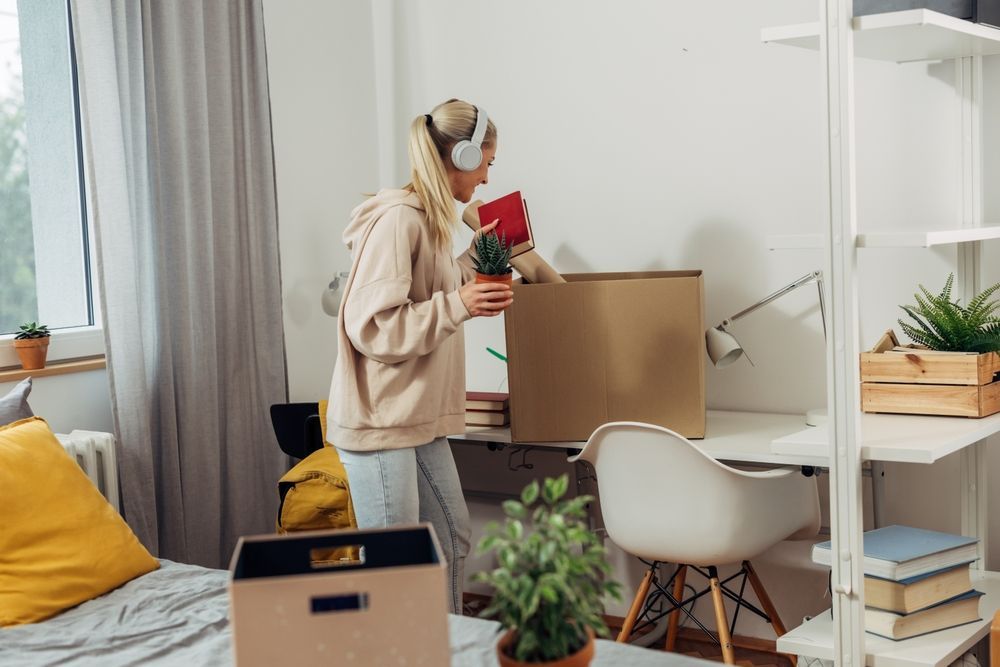
For college students, limited space can fill up quickly with clothing, books, kitchen supplies, and school materials. Instead of trying to organize your entire apartment at once, work through one area at a time and decide what to keep, donate, sell, store, or discard.
A practical decluttering plan can make your apartment feel more organized, functional, and comfortable. In this guide, we’ll cover simple ways to declutter a small apartment, maximize storage space, and keep clutter from returning.
Key Takeaways
- Start with the areas you use most, such as your desk, kitchen counters, bedside table, or entryway.
- Sort belongings into clear categories: keep, donate, sell, store, or discard.
- Use under-bed storage, vertical storage, and other space-saving solutions before adding more furniture.
- Give different areas of your apartment a clear purpose for studying, sleeping, relaxing, or storage.
- Keep clutter from returning with quick daily cleanups, a weekly reset, and regular reviews of items you no longer use.
Start With the Areas You Use Every Day
One of the easiest ways to begin decluttering is by focusing on the areas used most often. Desks, bedside tables, entryways, and living room surfaces tend to collect books, chargers, papers, and other everyday items throughout the semester. Starting with these high-traffic spaces creates noticeable results without feeling overwhelming. It also helps build momentum for larger organizing projects. When the spaces used daily feel cleaner and more functional, the rest of the apartment often becomes easier to tackle.
Sort Your Belongings With a Keep-or-Go System
After clearing high-use areas, sort belongings into simple categories: keep, donate, sell, store, or discard. This approach simplifies decision-making and helps free up space occupied by items that no longer fit daily needs.
What to Keep During the School Year
Focus on keeping items that are used regularly for classes, work, hobbies, and daily living. School supplies, seasonal clothing, kitchen basics, and frequently used electronics typically deserve a place in a small apartment. If something has not been used in months, it may belong in another category.
What to Donate, Sell, or Store
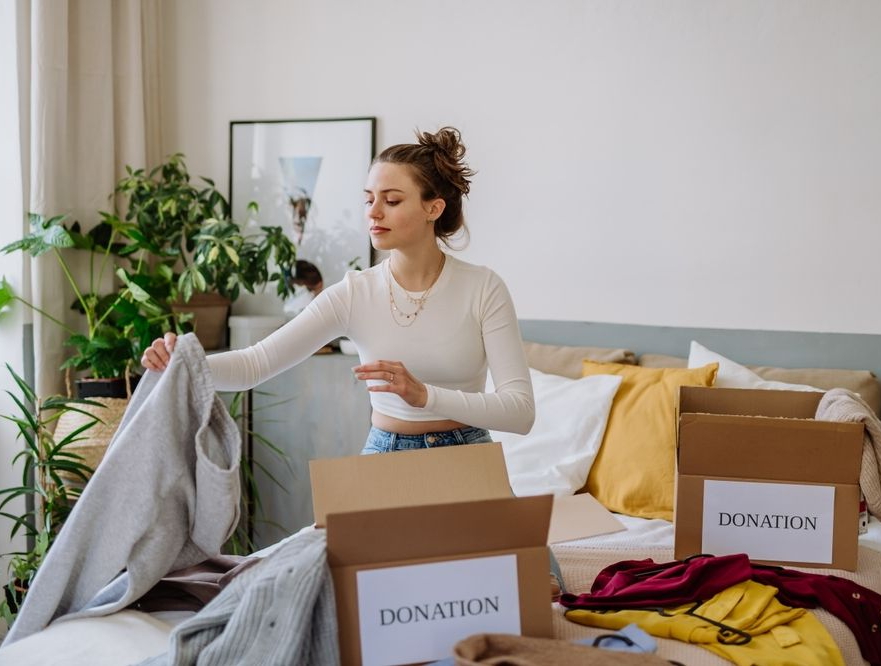
Items that no longer serve a regular purpose can quickly consume valuable space. Consider donating clothing that no longer fits, selling unused furniture or electronics, and storing seasonal items that are not currently needed. Keeping only what supports daily routines helps create a more organized apartment.
Maximize Storage Without Adding More Furniture
Small apartments can feel crowded when floor space is limited. Before purchasing additional furniture, look for storage opportunities within the existing layout. Simple solutions often create extra room while keeping everyday items accessible and organized.
Under-Bed Storage
The space beneath a bed is often one of the most underused storage areas in a small apartment. Storage bins, containers, or vacuum-sealed bags can hold extra clothing, bedding, and seasonal items without taking up valuable closet or floor space.
Vertical Storage
When floor space is limited, vertical storage can help keep belongings organized. Wall shelves, over-the-door organizers, and stackable storage solutions use available wall space without increasing clutter. Taking advantage of vertical areas can free up room for studying, relaxing, and everyday activities.
Create Zones with Purpose
A well-organized apartment works best when each area has a clear function. Even in smaller layouts, creating designated spaces for studying, sleeping, and relaxing can reduce distractions and help rooms feel more comfortable and organized.
Separate Study, Sleep, and Living Areas
Creating distinct zones can help a small apartment feel more functional. A desk should remain dedicated to schoolwork, while sleeping and relaxation areas stay separate whenever possible. Students searching for a new place may also benefit from learning how to
choose an apartment floor plan that naturally accommodates different daily activities and routines.
Reduce Visual Clutter Between Spaces
Keeping items within their designated areas can help an apartment feel less crowded. Avoid spreading books, laundry, or kitchen supplies across multiple spaces. Consistent organization creates clearer boundaries between activities and helps each area maintain its intended purpose throughout the semester.
Focus on Desks, Kitchens, and Shared Spaces
Some areas of an apartment become cluttered faster than others. Desks often collect papers, chargers, and study materials, while kitchens can fill with unused dishes and food containers. In shared apartments, common areas may accumulate belongings from multiple roommates. Regularly resetting these spaces helps maintain order and encourages everyone in the apartment to take responsibility for keeping shared areas clean, functional, and welcoming throughout the academic year.
Build Habits That Prevent Future Clutter
Decluttering is most effective when paired with consistent habits, especially once you’ve learned how to declutter a small apartment in a way that fits your schedule and study demands. Small routines throughout the week can prevent items from piling up and help maintain an organized apartment without requiring large cleaning sessions every few weeks.
Set Daily, Weekly, and Monthly Routines
Simple routines can prevent clutter from returning after a major cleanout. Spending a few minutes each day putting items away, completing a weekly reset of shared spaces, and reviewing belongings each month can help keep a small apartment organized throughout the school year.
Create Smart Budgeting Habits
Thoughtful spending can help prevent unnecessary clutter from entering an apartment. Before making a purchase, consider where the item will be stored and how often it will be used. Students looking to
furnish an apartment on a budget may find that choosing versatile pieces helps conserve both space and money.
Avoid Common Small Apartment Decluttering Mistakes
Many students struggle with decluttering because they try to organize everything at once or purchase storage solutions before reducing unnecessary belongings. Another common mistake is holding onto items "just in case" they might be useful later. Focusing on daily needs first and decluttering in smaller stages often leads to better long-term results and a more manageable living space. This approach also helps reduce frustration and prevent clutter from returning.
FAQs
What is the best way to declutter a small apartment?
The best way to declutter a small apartment is to work one area at a time. Start with frequently used spaces, remove items you no longer need, and create a designated place for everything you decide to keep.
How do you declutter a small apartment when you have too much stuff?
Start by getting rid of items you rarely use before trying to organize everything. Clothing you no longer wear, duplicate kitchen supplies, old school materials, and unused decor are good places to start. Once you reduce what you own, it becomes much easier to organize the rest.
How can college students keep a small apartment organized?
College students can keep a small apartment organized by building simple routines into their schedules. Put commonly used items away each day, reset desks and shared spaces once a week, and regularly review clothing, school supplies, and other belongings you no longer need.
How can I make a small apartment feel less cluttered?
Keep visible surfaces as clear as possible, use vertical and under-bed storage, limit unnecessary decor, and give each part of your apartment a specific purpose. Reducing visual clutter can make a small space feel more open and functional.
Should I buy storage containers before decluttering?
Usually, no. Declutter first so you know what actually needs to be stored. Buying bins, shelves, or organizers too early can lead to storing things you no longer need and adding even more items to a limited space.

Find a Purdue Apartment That Fits Your Lifestyle
Staying organized becomes much easier when a living space matches daily needs and routines. Students exploring
apartments near Purdue or comparing different
student housing options near campus may want to consider storage availability, layout, and shared living arrangements during their search. Since 1972,
Weida Apartments has helped Purdue students find quality housing at affordable prices. For help finding a space that fits your lifestyle,
contact us today.
Share with Us!