First-Time Renter's Guide to Apartment Utilities
Share this Article:
Apartment living feels like freedom for first-time renters. No more dorm rules or shared bathrooms. But that new independence also brings new responsibilities. One of the biggest surprises? Apartment utilities. Figuring out what’s included, what isn’t, and how much everything costs can get confusing fast.
Key Takeaways
- Common apartment utilities include electricity, water, sewage, gas, internet, and trash or recycling.
- Some utilities may be included in your rent, while others may need to be set up and paid for separately.
- Utility costs can change based on apartment size, number of roommates, personal usage, and seasonal weather.
- Review your lease before moving in so you know which utilities you are responsible for and when service needs to begin.
- Simple habits like turning off unused lights, adjusting the thermostat, and washing full loads of laundry can help lower monthly utility costs.
Apartment Utilities Explained
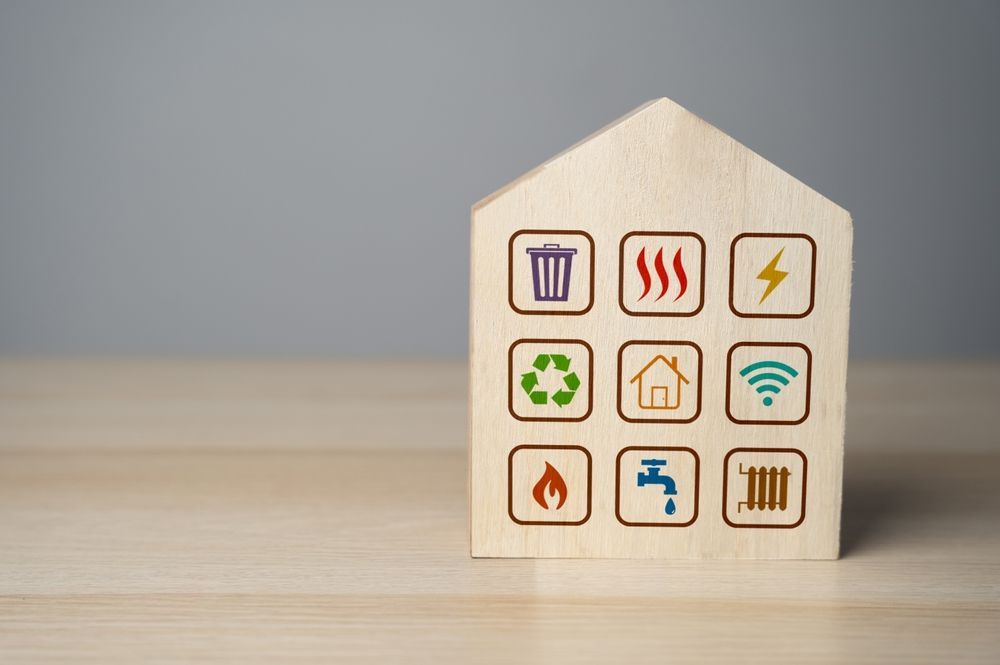
Apartment utilities cover the basic services that keep your apartment functional and livable. These include things like electricity, water, gas, internet, and trash pickup. Some apartments include certain utilities in the rent, while others leave them up to the renter to set up and pay separately. Knowing what utilities are in an apartment and how they're billed helps with budgeting and avoids unexpected charges once you’ve moved in.
Common Apartment Utilities You Should Expect
Electric
Electricity powers your lights, appliances, outlets, and heating or cooling systems when they run on electricity. It's one of the most common utilities not included in rent, especially in student housing. Monthly costs can vary depending on the season, the size of your apartment, and how energy-efficient the building is. Turning off lights and unplugging electronics cuts down your electric bill over time.
Water
Water covers everything from your shower and toilet to the kitchen sink and laundry hookups. In some apartments, water is included in rent or covered through a flat monthly fee. In others, you may be billed based on usage or a building-wide estimate. Individual use maynot seem like much, but long showers or frequent laundry loads can add up. It helps to ask upfront how water charges are handled before signing a lease.
Sewage
Sewage charges are tied to your water usage and cover the cost of wastewater removal from your unit. This includes everything that goes down drains, toilets, and washing machines. In many cases, sewage fees are bundled together with water or included in rent, especially in student-focused housing. While it's not something renters often think about, it’s still a cost that can show up on your monthly utility bill if it’s not already covered.
Gas
Gas is used for heating, hot water, and sometimes cooking, depending on the apartment. If your unit has a gas stove or furnace, you’ll likely be responsible for setting up a gas account. Costs can rise during colder months in West Lafayette. While gas tends to be cheaper than electric heat, it still adds to your overall apartment utilities cost. Always ask which appliances are gas-powered before moving in.
Trash and Recycling
Trash and recycling services handle the pickup and disposal of your household waste. These are usually managed through the property or local municipality. Many apartment complexes include this service in the rent, but some may charge a small monthly fee. Check if bins are provided, how often pickup happens, and if recycling is separated. Knowing the system ahead of time avoids confusion and unexpected charges once you’ve settled in.
Internet
Internet service is a must-have for most students, whether it’s for streaming lectures or just unwinding after class. This utility is often not included in rent, so you’ll likely need to set up service with a local provider. Plans and speeds vary, so it’s worth comparing options. Ask if your apartment is already wired for service and which providers are available in the area. A reliable connection changes how smoothly daily life flows.
Who Pays for Apartment Utilities?
Who pays for utilities depends on the lease. Some rentals include all utilities in the rent, others include a few, and some leave everything up to the tenant. Student apartments often bundle water, trash, or internet to keep things simple. Always read the lease carefully and ask what’s covered. Knowing your responsibilities ahead of time helps you plan monthly expenses and avoid surprises after moving in.
Average Apartment Utilities Cost for First-Time Renters
Utility costs vary, but having a rough estimate helps when building your first budget. Most Purdue students in West Lafayette can expect the following monthly ranges if utilities aren’t included in rent:
Electric: $50–$100 per month
Water/Sewage: $20–$70 per month
Gas: $30–$100 per month (usually higher in winter)
Internet: $40–$80 per month
Trash/Recycling: Often included or $10–$30 per month
These numbers shift based on usage, apartment size, and season.
Factors That Affect Your Utility Costs
Several things influence how much you spend on utilities each month. The size and layout of your apartment, the number of people living there, and how often you use appliances all play a role. Older buildings may be less energy efficient, leading to higher electric or gas bills. Seasonal changes, especially in Indiana winters, push heating costs higher. Personal habits like long showers or frequent device use also increase costs.
How to Set Up Utilities in Your First Apartment
1. Review your lease to understand which utilities are already covered.
2. Ask your landlord for provider suggestions or pre-installed services.
3. Contact local providers to set up service for electricity, gas, internet, and water if needed.
4. Schedule start dates to match your move-in day and avoid service gaps.
5. Set up online accounts for easy billing, autopay, and outage updates.
6. Check for seasonal tips on keeping costs low, especially during colder months.
Tips to Lower Apartment Utility Costs
- Turn off lights and electronics when not in use
- Use LED bulbs and energy-efficient appliances
- Limit long showers to reduce water and heating costs
- Wash full loads of laundry in cold water
- Adjust the thermostat a few degrees lower in winter and higher in summer
- Unplug devices that draw power even when turned off
- Let in sunlight during the day to naturally warm your space
FAQs
What utilities do you usually pay for in an apartment?
Apartment renters may be responsible for electricity, water, sewage, gas, internet, and trash or recycling. Exactly which utilities you pay for depends on the property and your lease. Some apartments include certain services in the monthly rent, while others require tenants to set up separate accounts.
Are utilities usually included in apartment rent?
Sometimes. Water, sewage, trash, or internet may be included in rent at some properties, while electricity and gas are often billed separately. Always review the lease or ask the property manager which utilities are included before signing.
How much do apartment utilities cost each month?
Utility costs depend on factors such as apartment size, number of occupants, season, energy efficiency, and personal usage. The article currently gives estimated monthly ranges for electricity, water and sewage, gas, internet, and trash for renters in West Lafayette.
How do I set up utilities for my first apartment?
Start by checking your lease to see which utilities are already covered. Then contact the required service providers, schedule service to begin by your move-in date, and create online accounts for billing and payment. Your landlord or property manager may also be able to tell you which providers serve the property.
When should I set up utilities before moving into an apartment?
It’s best to arrange any utilities you’re responsible for before your move-in date. Scheduling service ahead of time can help ensure that electricity, gas, water, or internet are available when you arrive.
Explore Affordable Apartments Near Purdue
Finding the right place near campus means more than just a short walk to class. Weida Apartments offers affordable options, including furnished apartments designed for convenience and comfort. Many of our properties are also a great fit for apartments for international students, offering flexible leases and a supportive community. Weida Apartments has been housing Boilermakers for over 50 years.
Have questions or want to see what’s available?
Contact us to learn more.
Share with Us!